Mixlio
Shaken vs Stirred: Which Cocktails to Shake and Why
When should you shake a cocktail and when should you stir it? The simple rule, the science behind it, and how long to shake or stir each drink.
By Mixlio Team · 5 min read · 14 October 2026
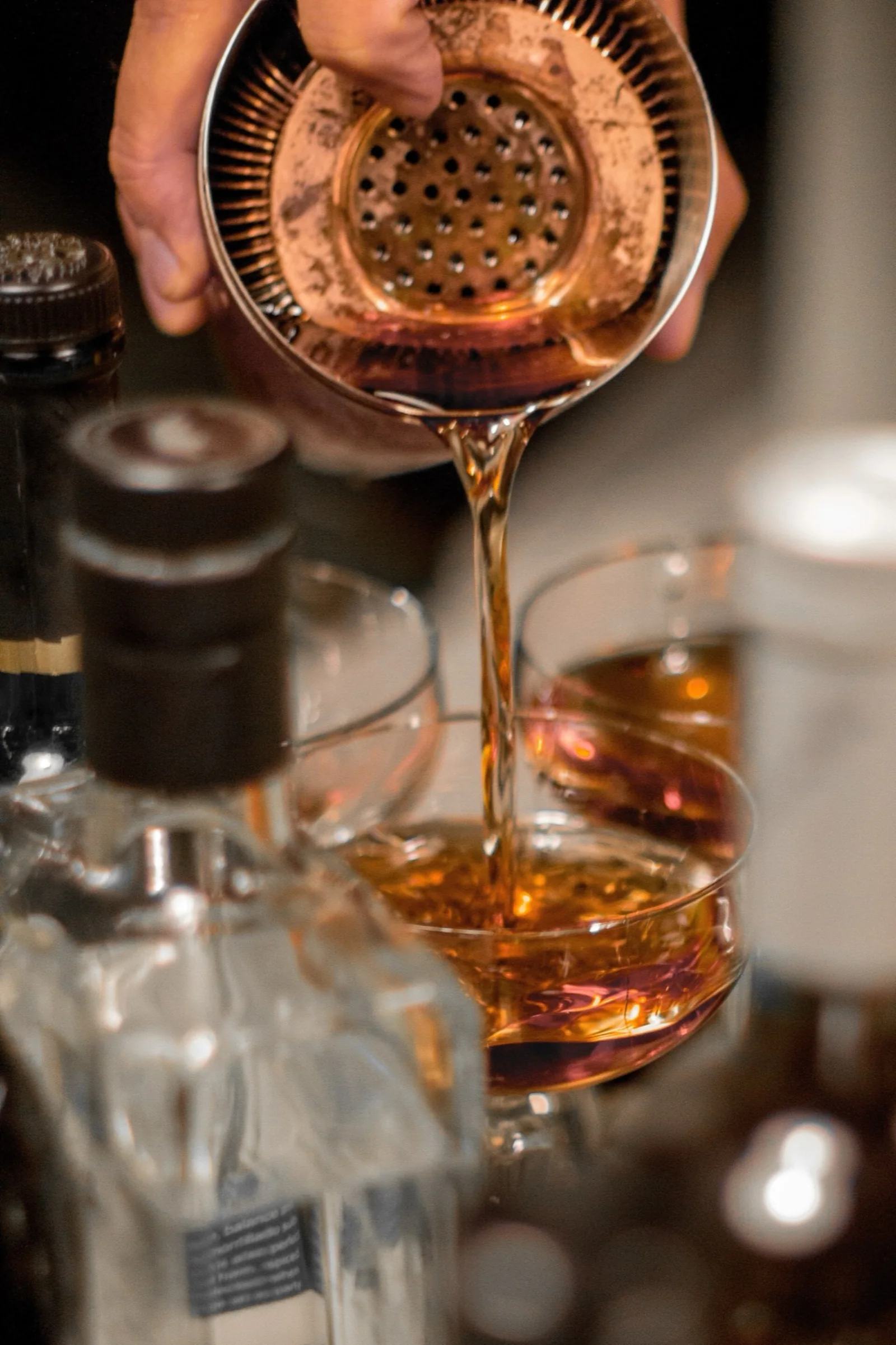
Here's the simple rule: shake drinks that contain juice, cream, egg or other cloudy ingredients. Stir drinks made only of spirits, liqueurs, vermouth and bitters. That covers almost every cocktail you'll ever make.
Here's why the rule works, and how to do both the right way.
What Shaking and Stirring Actually Do
Both methods do three jobs:
- Chill the drink.
- Dilute it with a little melted ice. This softens the alcohol and joins the flavors. Most cocktails end up around 20 to 30% water.
- Mix the ingredients.
The difference is texture.
- Shaking is violent. It chills fast, adds more water and whips in tiny air bubbles. The drink comes out cloudy, light and frothy.
- Stirring is gentle. It chills and dilutes more slowly and adds no air. The drink stays clear, smooth and silky.
When to Shake
Shake when your drink has:
- Citrus juice (lemon, lime, grapefruit)
- Other fruit juices or purées
- Cream or milk
- Egg white or whole egg
- Thick syrups like honey or orgeat that need hard mixing
These ingredients need force to blend properly, and the airy texture makes them taste brighter.
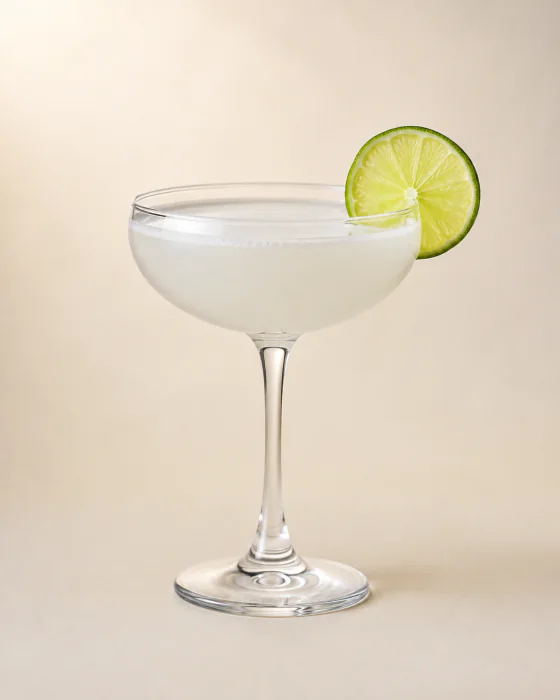
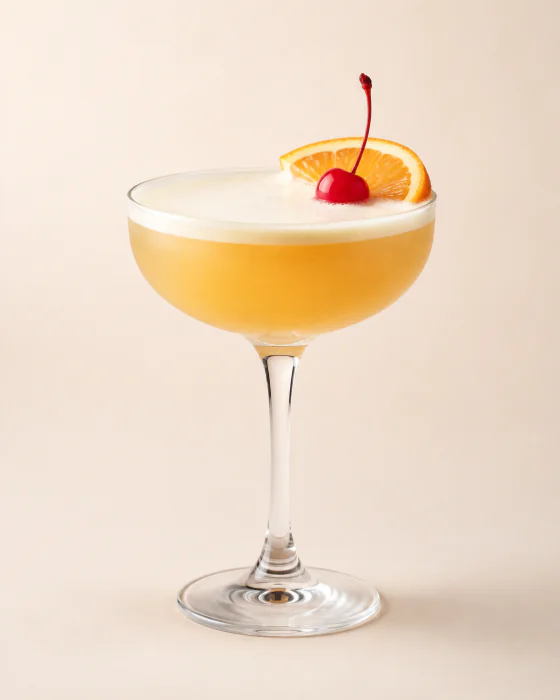
Examples: Daiquiri, Margarita, Whiskey Sour, Espresso Martini, Cosmopolitan.
When to Stir
Stir when your drink is all spirits and other alcoholic ingredients:
- Base spirits
- Vermouth and fortified wines
- Liqueurs
- Bitters
These drinks are meant to be clear, heavy and silky. Air bubbles would make them feel thin and look cloudy.
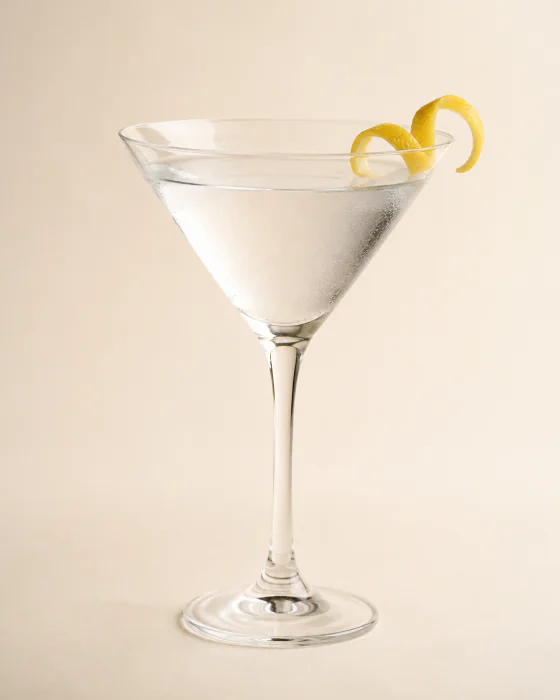
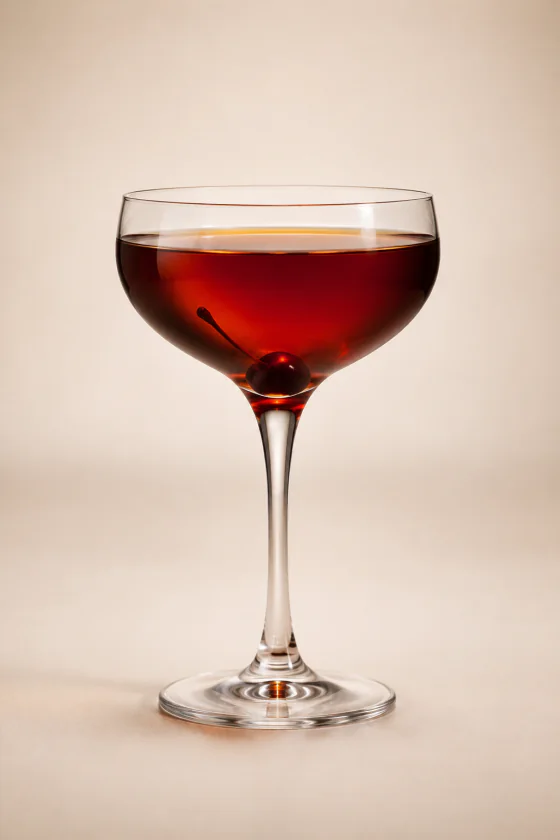
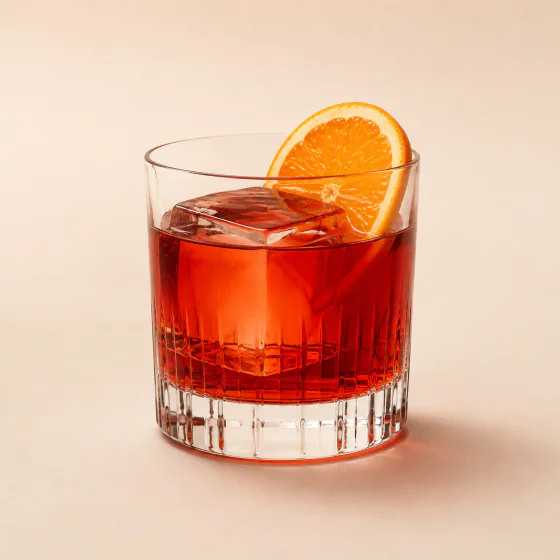
Examples: Martini, Manhattan, Negroni, Old Fashioned, Sazerac.
How to Shake a Cocktail
- Add the ingredients to the small half of the shaker.
- Fill the shaker about two-thirds with solid ice cubes.
- Close it tightly. Hold it with both hands, one on each end.
- Shake hard for 10 to 15 seconds. When the outside feels painfully cold, you're done.
- Strain into the glass. For smooth drinks, double strain through a small sieve.
Special shakes:
- Dry shake: shake without ice first, then with ice. Used for egg white drinks to build foam.
- Whip shake: shake with just a few small ice pieces. Used for drinks served over crushed ice.
How to Stir a Cocktail
- Add the ingredients to a mixing glass (any big glass works).
- Fill it about three-quarters with ice.
- Put a long bar spoon down the inside wall of the glass.
- Stir smoothly so the ice spins as one block. Don't splash.
- Stir for 20 to 30 seconds, then strain into a chilled glass.
Taste as you go. When the harsh alcohol edge is gone but the drink still tastes bold, it's ready.
What About Built Drinks?
Some drinks skip both. They're built: poured right into the serving glass over ice and given a gentle stir. Highballs like the Moscow Mule, Cuba Libre and Aperol Spritz are built. Never shake anything with soda or sparkling wine — the shaker can burst open, and you'll lose the bubbles.
Shaken vs Stirred FAQ
Does shaking "bruise" gin? No, that's a myth. Gin isn't damaged by shaking. A shaken martini just has a different texture: colder, cloudier and a bit lighter.
Why did James Bond order his martini shaken? It was a character detail Ian Fleming gave him. It made Bond seem particular. A shaken martini is fine, just different from the classic.
Can I shake a drink with no citrus? Yes. Nothing bad happens. You'll just get a cloudier, lighter drink than intended.
What if I don't have a mixing glass? Use the bigger half of your shaker, a pint glass or a jar.
Keep Learning
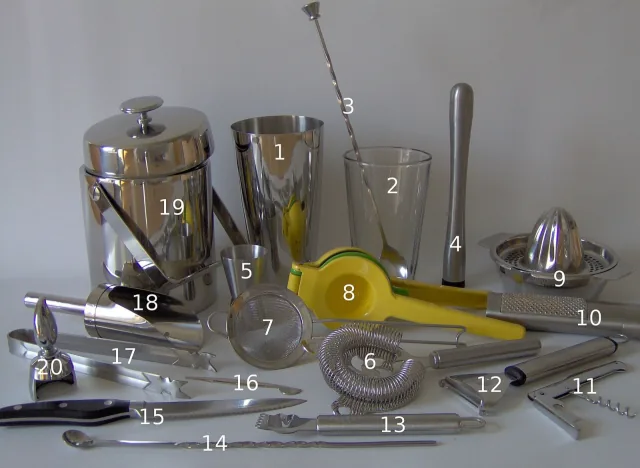
See which tools you really need in home bar essentials.
At a bar? Mixlio scans the cocktail menu and tells you which drinks match your taste, shaken or stirred.