Mixlio
How to Make and Order a Martini: Dry, Dirty, Wet and More
A simple guide to the martini: the classic gin recipe, what dry, wet, dirty, perfect and Gibson mean, gin vs vodka, and shaken vs stirred.
By Mixlio Team · 6 min read · 14 October 2026
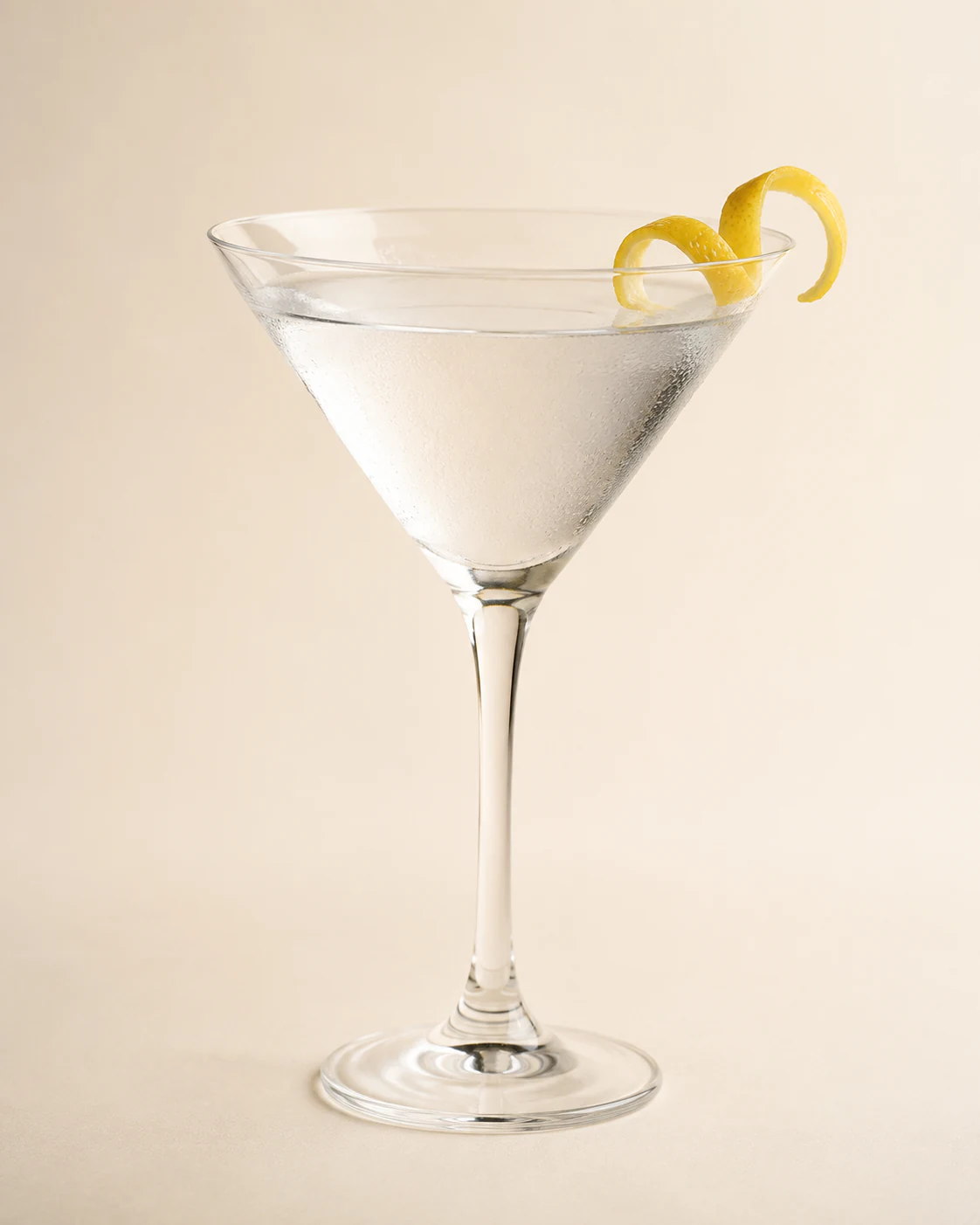
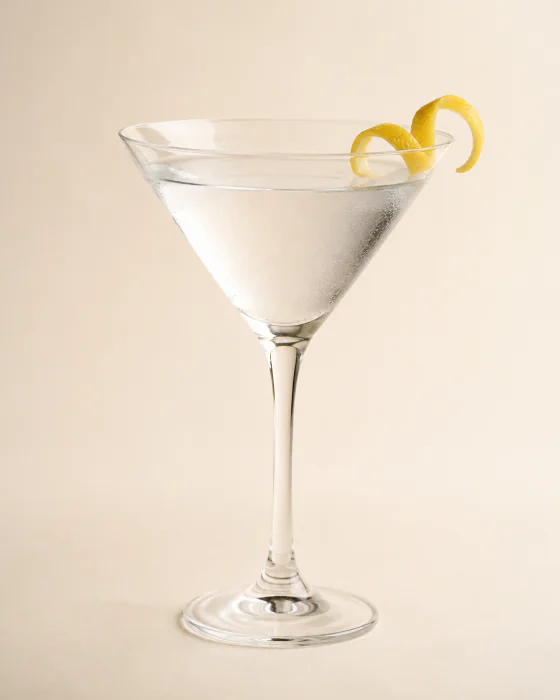
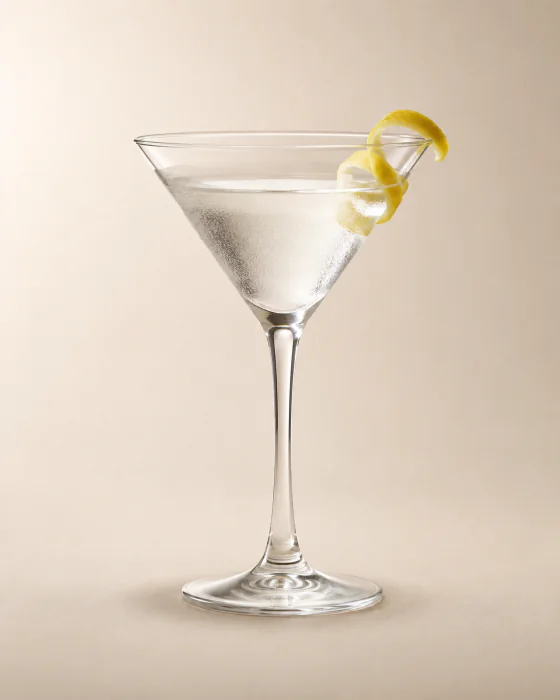
A classic dry martini is 60 ml gin and 10 ml dry vermouth, stirred with ice and strained into a chilled glass, with a lemon twist or an olive. That's it. But the martini has its own language — dry, wet, dirty, up, twist — and knowing it helps you get exactly the drink you want.
Classic Dry Martini Recipe
Ingredients (1 drink)
- 60 ml (2 oz) gin
- 10 ml (⅓ oz) dry vermouth
- Lemon peel or a green olive, for garnish
- Ice
Method
- Chill your martini glass in the freezer or with ice water.
- Add the gin and vermouth to a mixing glass.
- Fill it with ice and stir for about 30 seconds.
- Strain into the chilled glass.
- Squeeze a lemon peel over the top and drop it in, or add an olive on a pick.
The Martini Words, Explained
| Term | What it means |
|---|---|
| Dry | Less vermouth. "Extra dry" means very little or almost none. |
| Wet | More vermouth. Softer and more aromatic. A 2:1 ratio is a classic wet martini. |
| Perfect | Equal parts dry and sweet vermouth. |
| Dirty | A splash of olive brine. Salty and savory. "Filthy" means a lot. |
| Up | Served chilled without ice in a stemmed glass. |
| On the rocks | Served over ice in a short glass. |
| With a twist | Garnished with a lemon peel. |
| Gibson | Garnished with a cocktail onion in place of an olive or twist. |
Example order: "A gin martini, stirred, a little dry, with a twist." Clear and easy for any bartender.
Gin or Vodka?
The original martini is made with gin. Gin's juniper and herbs work beautifully with vermouth. A vodka martini is cleaner and more neutral. It's mostly about the cold, smooth texture.
If you don't say, many bars will ask. Some will just use gin. If you want vodka, say it.
Shaken or Stirred?
Classic bartenders stir a martini. Stirring makes a clear, silky drink with just enough water. Shaking adds tiny air bubbles and ice chips, so the drink looks cloudy and feels lighter. It also gets a bit colder and more diluted.
James Bond made "shaken, not stirred" famous, and there's nothing wrong with it if you like it that way. For the full story, read shaken vs stirred.
Tips for a Better Martini
- Everything cold. Keep the gin in the freezer and the glass chilled. A martini warms fast.
- Fresh vermouth. Store it in the fridge and use it within a month or so. Old vermouth is the number-one reason homemade martinis taste off.
- Stir long enough. About 30 seconds. You need some water to soften the alcohol.
- Small glasses. A smaller martini stays cold until the last sip.
Famous Martini Cousins
Vesper. Gin, vodka and a French aperitif wine, from Ian Fleming's first James Bond novel. See the Vesper.
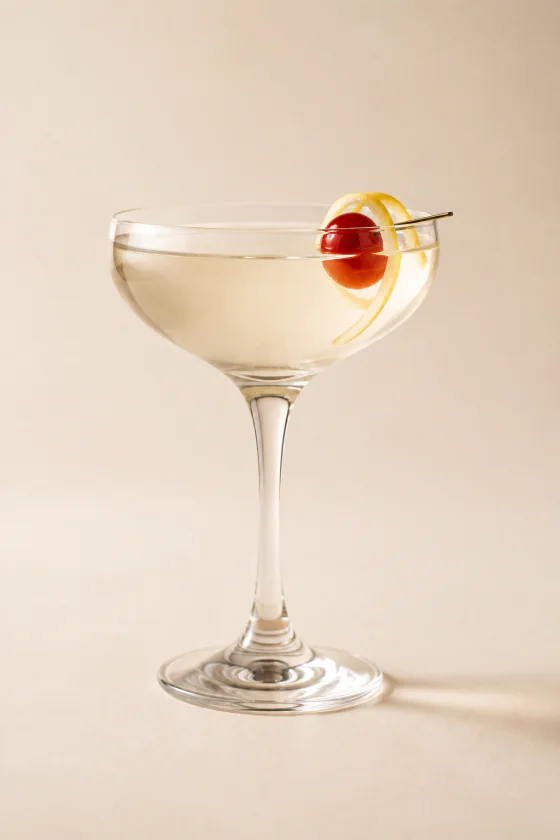
Martinez. An older, sweeter ancestor with sweet vermouth and maraschino. See the Martinez.
Tuxedo. A dry martini with maraschino and absinthe. See the Tuxedo.
Dirty martini. Add 10 to 15 ml olive brine and an olive garnish.
A Short History
The martini grew out of 19th-century gin and vermouth drinks like the Martinez. Early recipes used a lot of vermouth and often a dash of bitters. Through the 20th century, martinis got drier and drier. Today a classic dry martini uses roughly 5 or 6 parts gin to 1 part vermouth.
Martini FAQ
What does "dry" mean in a martini? It means less vermouth, not less alcohol. A very dry martini is almost all gin or vodka.
Is a martini strong? Yes. It's nearly all spirit. One martini is close to two standard drinks.
What's the best gin for a martini? A classic London Dry is a safe start. Softer, more floral gins make a gentler martini.
Why is my martini cloudy? It was shaken. Stir it for a crystal-clear drink.
Keep Exploring
See more ways to enjoy gin in our best gin cocktails, or learn how to read a cocktail menu.
At the bar and stuck on the menu? Mixlio scans it and shows which drinks match your taste.